Whether you attend a holiday event or stay home, make sure the choice comes from your center, not your wounds. Show up because you want to, not because you’re proving something. Stay home because you need peace, not because you’re punishing anyone.
Your emotional placement matters more than your physical placement. Strength isn’t pretending everything is fine, it’s knowing how to enter a space without abandoning yourself.
When you show up whole, even silence becomes love.
Gentle Practice: Today, ask yourself one honest question: “What version of me is making this decision, my healed self or my hurt self?”
-Kerri-Elizabeth- Tomorrow begins Week Three, Redefining Togetherness as we move closer to Christmas.
“You don’t heal by pretending, you heal by honoring.”
These two weeks have invited you to walk gently through the holidays: with your truth, your pace, your energy, your finances, your heart, your boundaries, and your lived wisdom.
You’ve learned that you can show up without losing yourself. That you can love without agreeing. That you can grieve without collapsing. That you can celebrate without performing. That you can create connection in small, meaningful ways. And that choosing yourself is not rejection, it is respect.
When you honor your design, peace returns. When you honor your heart, clarity unfolds. When you honor your truth, love becomes real again.
Gentle practice: Tonight, thank yourself for how you move through these weeks. Name the grace you give yourself.
-Kerri-Elizabeth- Tomorrow begins a new December series, one centered on a seasonal rythym, inner warmth, emotional nourishment, and the art of slowing down.
Softness is not weakness, it’s precision. It knows when to speak and when to wait. To stay open in a world of reaction is a daily discipline, one that builds invisible muscles of compassion.
-Kerri-Elizabeth-
When tension rises today, breathe before you respond. Let the breath be your teacher of calm power.
Tomorrow, we gather everything learned this week and return it to light.
We all see life a little differently, we experience life a little differently, but to share life in the differences, that is where real roots start.
Some believe youth is eternal, at least in spirit. We laugh like we’re still teenagers, move like we’ll never grow old, and expect tomorrow to look a lot like today. But age isn’t a thief—it’s a revealer. It shows us not just how our bodies change, but how our hearts grow, soften, and begin to wonder what kind of legacy we’re leaving behind.
For me, wellness has never been just about me. It’s been the quiet gift I’ve wanted to give my children—a kind of love that doesn’t take up space or ask for credit, but exists so they never have to feel burdened by my pain or limitations. I didn’t want their lives to revolve around caring for someone who didn’t care enough to tend to herself.
I’ve watched the ripple effect of carelessness, and I felt its frustration long before I could name it. Even as a child, I knew: how we take care of ourselves touches every person who loves us.
When I married, that devotion expanded. My husband deserves my best—not because I owe it, but because I want the time we have to be rich with presence and not shortened by preventable illness. I’ve been ridiculed and labeled for how deeply I care about health. Too radical, too extreme, or paradoxically, not enough. I’ve been laughed at, questioned endlessly, and just as often—I’ve been asked for every detail. What do you eat? What do you make? Can I do what you do? I’m the one they call when someone is sick, and my heart always wants to give the remedy.
But there is no remedy that works without a shift. There is no single tea or tincture that can override a life misaligned with wellness. Healing is a choice—a commitment to a path, not a pit stop. So I no longer pour my energy into quick fixes, because they’re not the true medicine. The real work begins when someone is ready to walk a different way—not just for a moment, but for a season, or even a lifetime.
I’ve come to see that what truly helps is not handing someone my answers, but gently guiding them toward their own. Otherwise, it becomes a cycle of reaching outward instead of inward. And I’ve learned that real healing happens when we offer people a way back to themselves, not just a list of what helped us.
I’ve spent my life learning, experimenting, creating, and healing myself through deep commitment—not bandages or shortcuts. I’ve walked beside my own child through leukemia—a child who was vibrant, healthy, never even had a cavity. Raised in a home as toxin-free as I knew to create. Why did he get sick? Why do some people suffer despite all their efforts? We may never know. The world is full of invisible battles—some we inherit, some we meet unexpectedly. And in between, we must still advocate for ourselves with heart and integrity.
I’ve seen our elders age in two different ways. Some stretch their arms in Pilates and laughter. Others sit in pain, immobilized by years of neglect—not always by choice, but often by habit. It isn’t always about what we ate or did. Even the cleanest foods from fifty years ago are now filled with artificial ingredients. The purity of the past is rare today. And longevity, now, feels like a quest to navigate invisible pollutants—emotional, physical, and environmental.
There is no single answer. No universal path. There is only your path—your way of thriving, your way of healing. And it’s meant to evolve.
We live in a time of information overload. AI, social media, quick tips, endless cures. Every day, someone new says, “This is it! This is the way!” But real wellness doesn’t come from a single scroll or a trending protocol. It comes from slowing down enough to know what your body, your heart, your soul is asking for.
Sometimes, it’s frustrating to watch adventures slow down because people you love can’t—or won’t—walk the same path. It’s not my decision. But still, it affects me. Because when you love people deeply, their limitations do touch your own.
And yet—I still have the ability and the right to grow. To move. To adventure. To thrive. The word no becomes as sacred as the right foods. Boundaries begin to feel like nutrients too.
How much of yourself do you give away, and how much do you honor? That, too, is as personal as your wellness practice. This is a time of deep growth. A time to ask:
How will I honor myself… while still honoring those I love who choose differently?
How can I walk in balance—not from judgment, but with wisdom born from resistance, grace, and truth?
How can I offer presence—not to fix, but to remind someone of their own power to choose again?
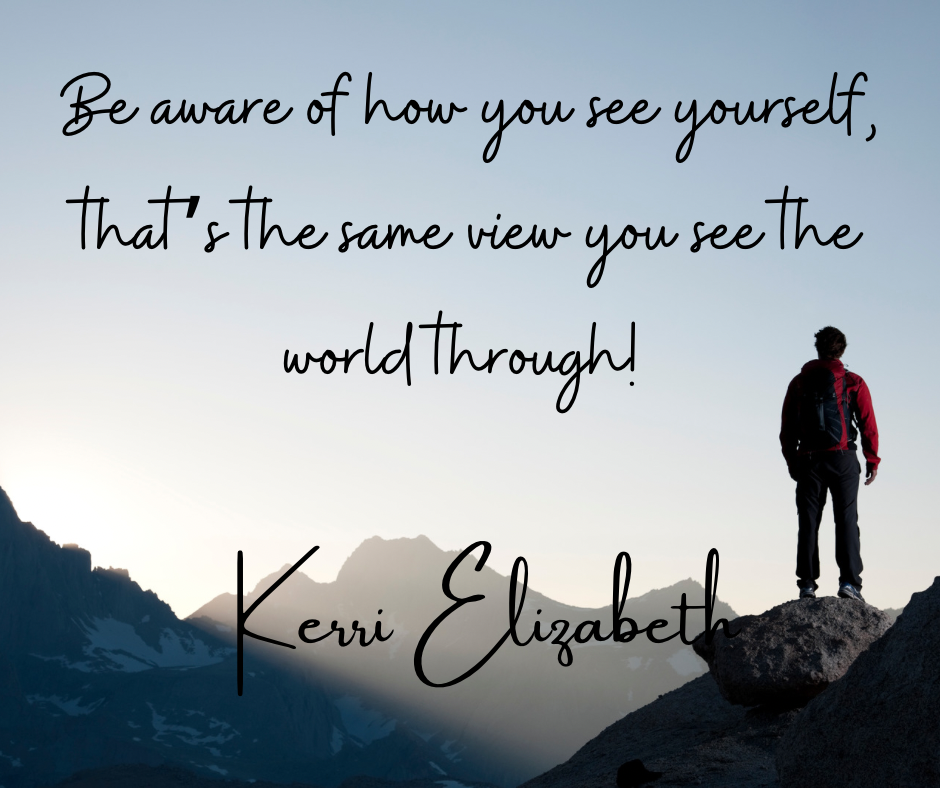
BE AWARE OF HOW YOU SEE YOURSELF, THATS THE SAME VIEW YOU SEE THE WORLD THROUGH.
There comes a time when running no longer works— when the ache doesn’t lessen with distance, when the echo of pain waits for you at the next bend. It is not weakness to pause. It is strength to stay, to look directly into the eyes of discomfort and ask it: What are you here to show me?
Walking through the pain is not about conquering it— it’s about knowing it. Seeing its colors, hearing its rhythm, feeling the way it shifts your breath, your stance, your gaze. Sometimes it’s a loud throb that demands your attention, other times it’s a subtle whisper, a pulse in the background of your choices.
Is it really pain—or is it the story you were told about pain? Do you respond out of memory, out of programming, or from presence, clarity, and truth?
Pain can be an ally in transformation when we stop anticipating its arrival with fear and start witnessing it as a bridge— an invitation to expand.
Ask yourself: – Why am I walking away? – Am I avoiding hurt, or avoiding growth? – Can I stay here, still and strong, not to suffer but to see?
Life will test you. That’s a promise. But how you define those tests is up to you. Are they punishments—or portals?
You can do hard things. With grace. With steady breath. With the knowing that pain is not your identity but a teacher passing through.
When you choose to walk through it, you walk into a new version of yourself. One who didn’t skip the chapter, but read it aloud and found truth in its lines.
Let others react how they do— some will shut down, some will turn away, some will lash out. That doesn’t define your path. Let your response be rooted in wisdom, not reflex. Let your heart rate be a compass, not a warning siren. And let your stillness reveal the power you’ve always had.
Poem: The Walk
I walked not because I had nowhere to go, but because I had somewhere to arrive within. The road cracked beneath my bare feet— not to injure me, but to open what I buried long ago.
Pain was not the enemy. It was the door. And I— I became the key.
I stopped naming it sorrow and started calling it strength. I stopped listening to fear and started listening to breath.
Every tremble became a prayer. Every pause, a song of endurance. I walked, not to escape, but to enter.
Some things don’t arrive when we call for them. Answers. Apologies. Understanding. Sometimes, even love itself can feel like it’s running on a different clock.
And when you’re the one waiting, it can ache. When you’re the one needing, it can stir a deeper awareness— a noticing of how timing shapes everything. And when you’re the one who can’t respond yet, it can bring a quiet tension you don’t yet know how to name.
We don’t all meet life at the same tempo. Some of us move fast—urgent to solve, to connect, to resolve. Others need time, silence, space to feel their way forward.
But what happens in the pause between one person’s need and the other’s delay?
A whisper sneaks in: “They don’t care.” “They’re avoiding me.” “This always happens.” Something quiet begins to sharpen beneath the surface— not rage, not cruelty—just the subtle weight of unmet timing. An edge forms. And it cuts without anyone meaning to.
This obstacle can teach. And it can take away. It can open us to compassion or close us in resentment.
The question becomes: How do we meet each other with honor when we’re out of rhythm? How do we stay kind when we’re tired of holding the silence? How do we not make their timing mean something about our worth?
Not every pause is punishment. Not every delay is disregard. But the stories we’ve lived may whisper otherwise.
It’s not just a language barrier—it’s a life barrier. Different nervous systems. Different stories. Different shapes of presence and processing.
But if we can pause—not to press, not to fix, but to see the other in their timing— maybe we create a space where no one is wrong.
Maybe we say: “I’m feeling the weight of waiting. I just need you to know.” Or: “I don’t have the words yet, but your heart matters to me.”
And just like that, we step out of the battle, and into the bridge.
A Rhythm We Haven’t Learned Yet
Sometimes, I wait for you like the moon waits for the tide— knowing it will come, but not knowing when.
Sometimes, you need space like a mountain needs mist— not to disappear, but to breathe.
We move like dancers to different songs, feet aching when we try to lead each other through rhythms we haven’t learned yet.
But what if this is the music?
What if the space between us isn’t a problem to solve, but a sacred silence where trust and truth begin to rise?
So I’ll stay present— not in pause, but in practice. Not waiting to live, but living in love while the dance finds its shape.
Whether we meet in step or drift apart like waves— I am still whole and still here. Breathing. Becoming. With or without the answer.
-Kerri-Elizabeth-
What have you learned about your own rhythm—and how do you honor it while loving someone whose pace is different from yours?


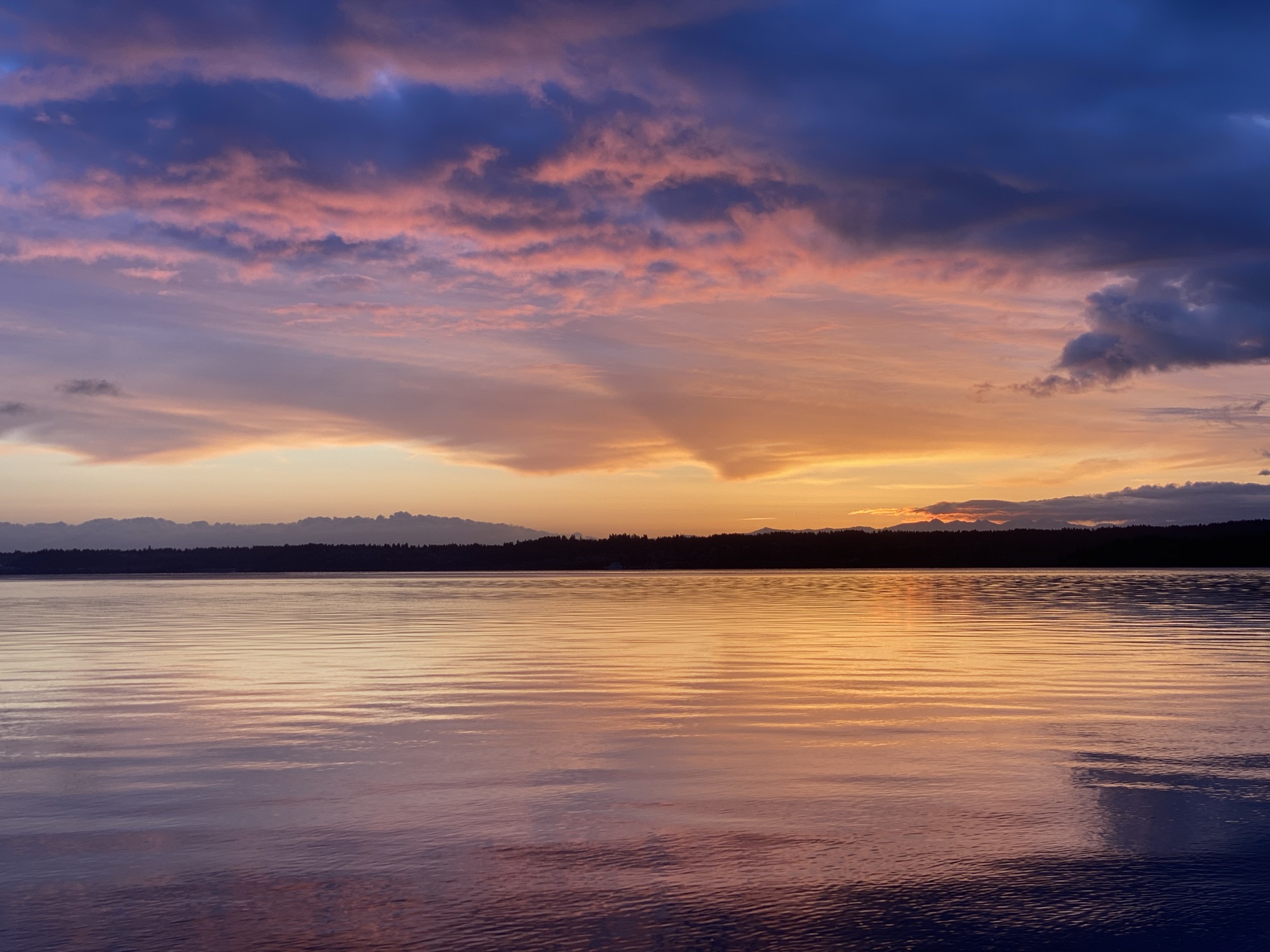
 SONSHINE FOR YOU